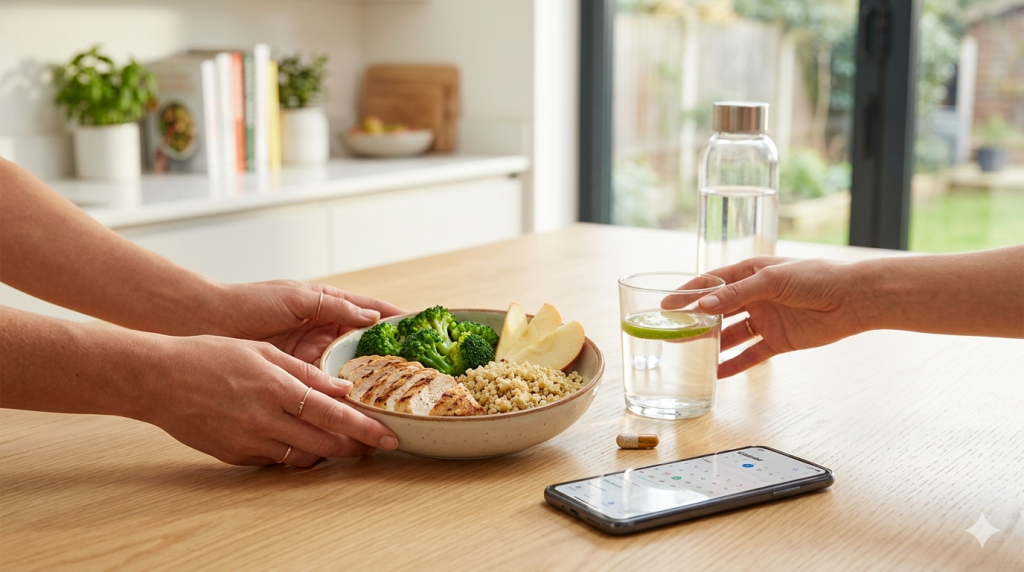
The conversation surrounding weight loss has been revolutionized by GLP-1 (glucagon-like peptide-1) medications. For many, these drugs are powerful catalysts, effectively suppressing appetite and accelerating significant weight loss that once seemed out of reach. Yet, this pharmacological shift has exposed a critical, often overlooked aspect of the journey: nutrition. A common misconception is that the medication eliminates the need for a focused diet. In reality, GLP-1 use demands an even more deliberate approach to what—and how—you eat.
A suppressed appetite often means you will eat considerably less. While this facilitates weight loss, it simultaneously creates a “nutrient gap.” The traditional focus on simply restricting calories to lose weight can, in this scenario, lead to muscle wasting, severe nutrient deficiencies, and metabolic complications. As clinical experts note, the goal must shift from simply seeing a lower number on the scale to building a healthier, stronger body. This means making every single calorie work for your long-term vitality.
Prioritizing protein: the antidote to muscle loss
A primary concern during rapid weight loss is the preservation of lean muscle mass. When the body is in a persistent, significant calorie deficit, it will mobilize muscle tissue for energy if dietary protein intake is insufficient. This loss of muscle can have long-term consequences, reducing your resting metabolic rate and making future weight maintenance much more difficult.
To counter this, a concerted effort must be made to increase protein intake. Experts suggest focusing on a protein-to-calorie ratio that is higher than the standard recommendation for healthy adults.
Targeted Intake: For those on GLP-1s, a reasonable range is often 1.2 to 1.5 grams of protein per kilogram of body weight daily.
Optimal Sources: Focus on high-quality, easily digestible sources like lean poultry, fish (especially salmon for Omega-3s), eggs, tofu, Greek yogurt, and legumes.
Strategic Timing: Because early fullness is common, it is essential to spread protein intake throughout the day. Instead of one large meal, aim for smaller, protein-rich snacks like a hard-boiled egg or a small serving of cottage cheese.
The hydration factor: keeping your systems running
GLP-1 medications significantly delay gastric emptying, the process by which food moves from your stomach to your small intestine. This delayed stomach emptying contributes to the feeling of fullness but can also increase the risk of dehydration, nausea, and reflux.
Ensuring adequate hydration is paramount, yet the urge to drink may also be blunted on these medications.
Fluid Goals: Aim for a fluid intake of at least 2 to 3 liters per day, prioritizing water, unsweetened tea, or high-protein broths.
Electrolyte Balance: If you experience significant nausea, adding an electrolyte supplement can help maintain optimal hydration levels and support kidney function.
Fiber Management: Focus on gentle, soluble fiber sources that move smoothly through the digestive system, such as oatmeal, peeled apples, and chia seeds.
Micronutrient density: making every bite matter
When your total calorie intake drops dramatically—potentially from 2,000+ calories a day to 1,200 or less—your intake of essential vitamins and minerals decreases proportionally. Micronutrient deficiencies are a common but often silent consequence. Traditional “empty calorie” foods become a liability as they take up valuable “stomach space” without providing vital nutrition.
A strategic approach to micronutrient density is required. Many practitioners suggest focusing on:
Vitamin B12: Crucial for energy and nerve function.
Magnesium: Essential for muscle relaxation and a healthy metabolism.
Calcium and Vitamin D: To protect bone health during rapid weight shifts.
Common questions about GLP-1 nutrition (Q&A)
Why do I feel so full even after eating very little? GLP-1 medications slow down the rate at which your stomach empties. This keeps food in your system longer, which triggers sustained fullness signals to your brain. To manage this, focus on small, nutrient-dense meals rather than large portions.
Is exercise still necessary if I am losing weight quickly? Yes, and specifically strength training. Weight loss from medication alone can result in significant muscle loss. Resistance training tells your body to keep its muscle and burn fat instead, which is vital for your metabolism.
How can I manage nausea while on this medication? Avoid greasy, fried, or highly spicy foods, as these take longer to digest and can worsen reflux. Eating smaller, more frequent meals and staying hydrated with ginger tea or electrolyte-infused water can also help.
Do I need to take vitamins? Because you are consuming a smaller volume of food, a high-quality multivitamin acts as an “insurance policy” against deficiencies. Always consult your doctor to see if you need specific supplements like Iron or Vitamin B12 based on your blood work.
Conclusion
GLP-1 medications are a transformational medical advance, but they are most effective when utilized as a partner to nutritional therapy. Success requires a new perspective on food—one that elevates quality and nutrient density above simple calorie restriction. By prioritizing protein to protect your muscle, maintaining strong hydration, and ensuring dense micronutrient intake, you aren’t just losing weight; you are building a foundation for a leaner, stronger, and healthier future.