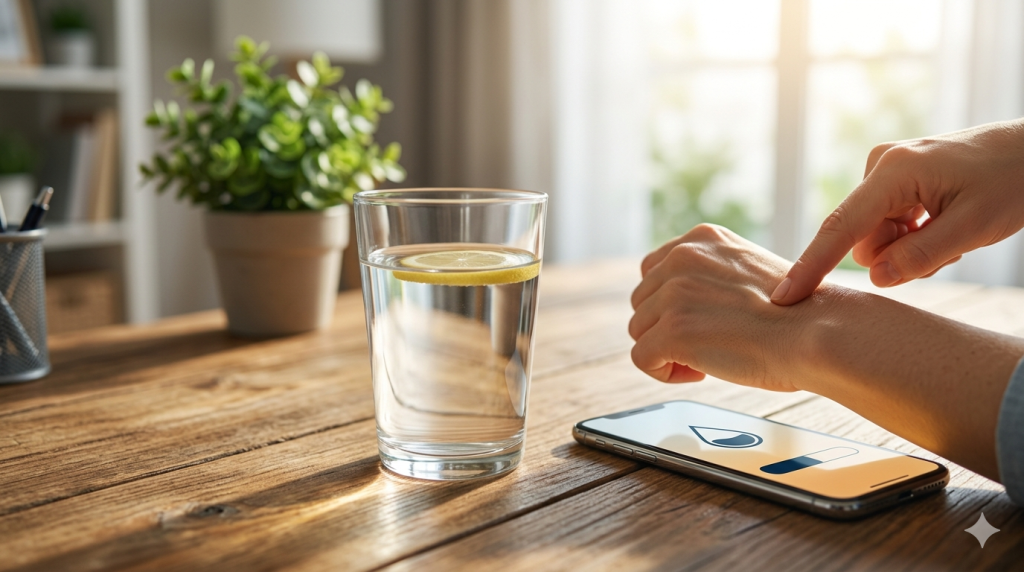
Water makes up approximately 60% to 70% of your total body weight and is the essential engine behind every biological function. From regulating your body temperature and transporting vital nutrients to lubricating your joints, water is a non-negotiable solvent for life. However, in our fast-paced modern world, many of us treat hydration as an afterthought, reaching for a glass only when our throats feel like sandpaper.
The truth is, thirst is the body’s final distress signal. By the time you feel it, you are likely already clinically dehydrated. Your body is constantly sending out subtle “SOS” messages that we often misinterpret as hunger, stress, or general fatigue. Failing to address these signs can lead to chronic health issues, brain fog, and a weakened immune system.
Here are 10 silent but critical warning signs that you are not drinking enough water.
1. Persistent Fatigue and Low Energy
When you are dehydrated, your blood volume decreases, causing it to become “thicker” and more viscous. This forces your heart to pump harder and faster to circulate oxygen and nutrients throughout your system. This increased cardiovascular strain leaves you feeling sluggish, exhausted, and physically drained, even if you just woke up from a full night’s sleep.
2. Brain Fog and Poor Concentration
The brain is composed of roughly 80% water. Even a minor drop in hydration levels—as little as 1% to 2%—can impair cognitive performance. You might experience “brain fog,” which manifests as:
Difficulty focusing on tasks.
Short-term memory lapses.
Slow reaction times.
Increased irritability and mood swings.
3. Frequent Headaches and Migraines
A dehydration headache is unique and often feels like a throbbing sensation that intensifies with physical movement. This happens because as fluid levels drop, brain tissue can temporarily shrink and “pull away” from the skull, triggering pain receptors. If you find yourself reaching for painkillers frequently, try reaching for a tall glass of water first.
4. Dark-Colored Urine and Infrequent Bathroom Breaks
Your kidneys are your body’s filtration system. When water is scarce, the kidneys concentrate urine to conserve as much fluid as possible.
Ideal: Pale straw or transparent yellow.
Warning: Dark amber, honey-colored, or brownish urine is a sign of significant dehydration.
Frequency: If you aren’t urinating at least 4 to 6 times a day, your system is struggling to flush out toxins.
5. Skin Elasticity and Premature Aging
Your skin is an organ, and it is often the last to receive hydration from the water you drink. Dehydration leads to:
Loss of Turgor: If you pinch the skin on the back of your hand and it doesn’t “snap back” instantly, you are dehydrated.
Dullness: Dehydrated skin looks sallow, emphasizes fine lines, and creates deep dark circles under the eyes.
6. The “False Hunger” Trap
The hypothalamus, the part of the brain responsible for regulating thirst and appetite, often gets its wires crossed. You may feel a sudden craving for snacks or sweets when your body is actually just begging for a drink.
Pro Tip: If you feel hungry between meals, drink 16 ounces of water and wait 15 minutes. Most of the time, the craving will vanish.
7. Bad Breath and Dry Mouth
Saliva has essential antibacterial properties that keep your mouth clean. When you are dehydrated, saliva production drops, allowing bacteria to flourish. This leads to chronic dry mouth (xerostomia) and persistent bad breath that cannot be solved by mints or gum alone.
8. Digestive Issues and Constipation
Water acts as a lubricant for the entire digestive tract. It helps break down food and allows fiber to move waste through the colon. When you are dry, the colon absorbs water from your stool to keep the rest of your body functioning, resulting in hard, painful stools and chronic constipation.
9. Muscle Cramps and Joint Pain
Your joints are cushioned by cartilage, which is about 80% water. Without enough fluid, your joints lose their shock-absorption capability, leading to aches and stiffness. Furthermore, dehydration causes an imbalance in electrolytes, leading to painful, involuntary muscle spasms—especially in the legs during the night.
10. Dry Eyes and Vision Strain
If your eyes feel scratchy, bloodshot, or “sandy,” it may be because your body can no longer spare the fluid to create tears for lubrication. This is particularly dangerous for contact lens wearers and those who spend long hours in front of digital screens.
How Much Water Do You Really Need?
The old “8 glasses a day” rule is a decent baseline, but hydration is highly personal. Your needs change based on:
Body Weight: Larger bodies require more fluid to function.
Climate: Heat and humidity increase water loss through sweat.
Diet: High-protein or high-sodium diets require more water to flush out waste.
A Simple Formula: Take your weight in pounds, divide it by two, and aim for that many ounces of water per day. (e.g., A 180lb person should aim for 90oz of water).
Frequently Asked Questions (FAQ)
Q: Can coffee and tea count toward my daily water goal? A: Yes. While caffeine has a mild diuretic effect, the water in these drinks still contributes to your overall hydration. However, plain water is always the best choice as it contains no additives or stimulants.
Q: Is it possible to drink too much water? A: Yes, though it is rare. “Water intoxication” or hyponatremia occurs when excessive water intake dilutes the sodium in your blood to dangerous levels. This usually only happens during extreme endurance sports.
Q: Does eating fruit help with hydration? A: Absolutely! About 20% of our water intake comes from food. Foods like watermelon, cucumbers, strawberries, and lettuce are over 90% water and provide essential electrolytes.
Conclusion
Water is the simplest, most effective “biohack” for your health. If you are struggling with low energy, stubborn headaches, or skin issues, the solution isn’t always a pill—it’s a refill. By paying attention to these 10 silent warning signs, you can stay ahead of dehydration and keep your body running at peak performance. Start your morning with a large glass of water, and your body will thank you for the rest of the day.