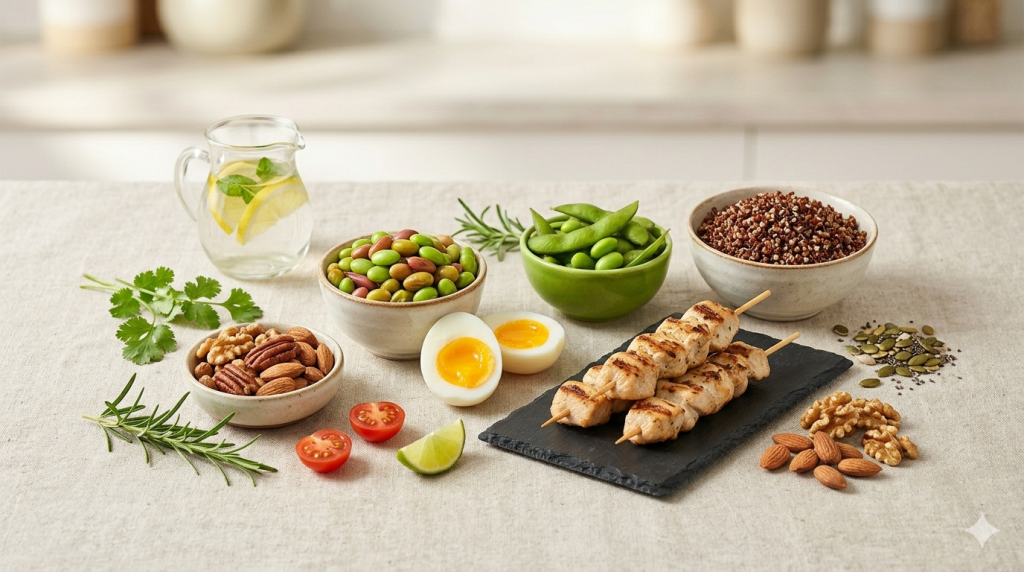
In the ever-evolving landscape of modern nutrition, where dietary trends often shift like sand, one fundamental truth remains constant: the critical importance of protein. Often oversimplified as just a “muscle-building block,” protein is actually a sophisticated biological powerhouse that dictates how we feel, how we function, and how we age. For those struggling with chronic fatigue, uncontrollable cravings, or the subtle signs of hormonal imbalance, shifting the focus toward high-quality protein can be a life-changing decision.
According to leading wellness experts, prioritizing protein isn’t merely a fitness hack; it is the essential foundation for stabilizing energy, mastering appetite, and ensuring that the body’s complex chemical messengers remain in perfect harmony.
The Science of Satiety: Why Protein Stops Hunger in Its Tracks
One of the most immediate and tangible benefits of increasing protein intake is its unparalleled ability to regulate appetite. Unlike simple carbohydrates, which cause a rapid spike and subsequent crash in blood sugar, protein provides a steady, prolonged metabolic “burn.”
The Hormonal Connection Protein consumption triggers a cascade of chemical signals that communicate fullness to the brain:
Ghrelin Suppression: Often called the “hunger hormone,” ghrelin is most effectively suppressed by protein. When ghrelin levels drop, the urgent drive to eat dissipates.
Release of Satiety Hormones: Protein stimulates the production of hormones like CCK, GLP-1, and Peptide YY. These signal to the digestive system to slow down and tell the brain that you are satisfied.
Blood Sugar Stability: By slowing the absorption of glucose, protein prevents the insulin spikes that lead to the “sugar roller coaster”—the primary culprit behind midday snacking and “hanger.”
Sustained Vitality: Ending the Midday Slump
Many of us rely on caffeine or sugary “energy” drinks to power through the afternoon. However, these are temporary fixes that often lead to even greater exhaustion. Protein offers a superior alternative: metabolic endurance.
Steady Fueling: Because protein takes longer to digest and metabolize, it provides a consistent stream of energy for hours after a meal.
Oxygen Transport: Protein is a vital component of hemoglobin, which carries oxygen to your brain and muscles. Adequate intake ensures your cells are “breathing” properly, maintaining mental clarity and physical stamina.
Neurotransmitter Support: Amino acids (the building blocks of protein) are precursors to dopamine and norepinephrine—chemicals that govern focus, motivation, and alertness.
Hormonal Health: The Architect of Your Internal World
Hormones are the body’s chemical messengers, and protein is the raw material required to build many of them. From your metabolism to your mood, protein plays a silent but starring role in hormonal regulation.
Peptide Hormones: Essential hormones like insulin (which regulates blood sugar) and growth hormone (which aids tissue repair) are made entirely of proteins.
Thyroid Optimization: The thyroid gland, the master of your metabolism, requires specific amino acids like tyrosine to produce the hormones that keep your metabolic rate healthy.
Stress Management: Protein provides the tryptophan needed to create serotonin, the “calm” hormone. This helps counterbalance cortisol—the stress hormone—leading to better mood stability and improved sleep quality.
Insulin Sensitivity: High-protein diets have been shown to improve how your cells respond to insulin, reducing the risk of metabolic resistance and promoting a leaner, healthier body composition.
Strategies for Optimal Protein Intake
Maximizing the benefits of protein requires more than just eating a steak; it’s about quality, timing, and variety.
The 30-Gram Benchmark: Aim for roughly 30 grams of protein per meal. This amount is considered the “sweet spot” for triggering muscle protein synthesis and maintaining peak satiety.
The “Protein-First” Breakfast: Front-loading your protein intake—ideally within an hour of waking—sets a metabolic tone for the day that reduces cravings by up to 60% in the evening.
Diversify Your Sources: Don’t rely solely on one type. Combine lean animal proteins (wild-caught fish, organic poultry, eggs) with nutrient-dense plant proteins (quinoa, lentils, tempeh, and hemp seeds) to ensure a complete profile of all nine essential amino acids.
Conclusion: A Foundation for Longevity
Prioritizing protein is a fundamental shift from “eating for the moment” to “eating for your future.” By ensuring every meal is anchored by high-quality protein, you are effectively armor-plating your energy levels and creating a resilient hormonal environment. Whether your goal is weight management, cognitive performance, or simply waking up feeling refreshed, protein is the essential tool that makes those aspirations a reality.
Frequently Asked Questions (FAQ)
Q: How much protein should I aim for daily? A: While individual needs vary, a good rule of thumb for active adults is 1.2 to 1.6 grams of protein per kilogram of body weight.
Q: Can I get enough protein on a plant-based diet? A: Absolutely. However, since many plant proteins are “incomplete,” it is important to eat a variety of sources—like beans and rice together—to ensure you get all essential amino acids.
Q: Does eating more protein damage the kidneys? A: In healthy individuals, there is no evidence that a high-protein diet causes kidney damage. However, if you have pre-existing kidney conditions, you should consult a doctor.
Q: Will protein powder replace whole food sources? A: Supplements are convenient, but whole foods provide additional vitamins, minerals, and fiber that powders lack. Use supplements as a “bonus,” not the primary source.
Q: Why do I feel tired even if I eat protein? A: While protein helps energy, fatigue can also be caused by dehydration or a lack of healthy fats and complex carbs. Ensure your meals are balanced with fiber and micronutrients.